← Back to programme · (02 / 04)

Marija Šileikaitė-Čičirkienė

(Encounter Date) 13 December 2026 · 12:00
(Session Focus) Photography
(Themes) Memory · Towns · Cycles
(Venue) Janina Monkutė-Marks Museum-Gallery, Kėdainiai
(02 · Photographic Artist)

Marija Šileikaitė-Čičirkienė

Marija Šileikaitė-Čičirkienė
(Session Motif)

Photographic artist, classic of Lithuanian photography, exhibition curator and promoter of photographic culture
Sunday, 13 December 2026, 12:00 · Conversation "Photography" · Moderator – Prof. Dr Remigijus Venckus

(01 / 09)

About the artist

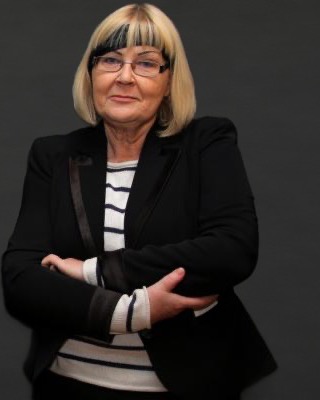
Marija Šileikaitė-Čičirkienė is a creator of Lithuanian artistic photography, promoter of photographic culture, exhibition organizer, and longstanding figure in the artistic life of Panevėžys. Her oeuvre occupies a distinctive place in the history of Lithuanian photography, uniting the documentary tradition, an individual vision of the world, conceptual experiments, and a sensitive relationship with human memory and everyday surroundings.

She began her creative practice in 1986 and has been a member of the Lithuanian Photographers Association since 1990. From 1992 to 2015 she headed the Panevėžys Photography Gallery, contributing significantly to the dissemination of professional photography, exhibition curating, presentation of photographers’ work, and strengthening the photographic culture of Panevėžys.

Over four decades of creative activity, the artist has held 62 solo exhibitions and participated in numerous group shows in Lithuania and abroad. Her work has been presented across Europe and in the United States.

In 1999, the International Federation of Photographic Art (FIAP) awarded her the honorary title of Artist FIAP (AFIAP). She has also received international awards in Croatia, Latvia, and the United States. In 2013 she was awarded the Lithuanian Photographers Association Prize for merits to photographic art, and in 2020 the Culture and Art Prize of Panevėžys City Municipality.

Her published photography books include Fotografinės frazės (Photographic Phrases, 2000), Vieškelio motyvas (Country Road Motif, 2005), and Įsivaizduojamas miestas (Imaginary City, 2026).

In 2026, marking forty years of creative activity, her retrospective exhibition Laiko vėrinyje (In the Necklace of Time) was presented at the Juozas Miltinis Drama Theatre in Panevėžys, summarizing the different stages of the artist’s photographic thinking.
(02 / 09)

Photography as Individual Exploration of the World

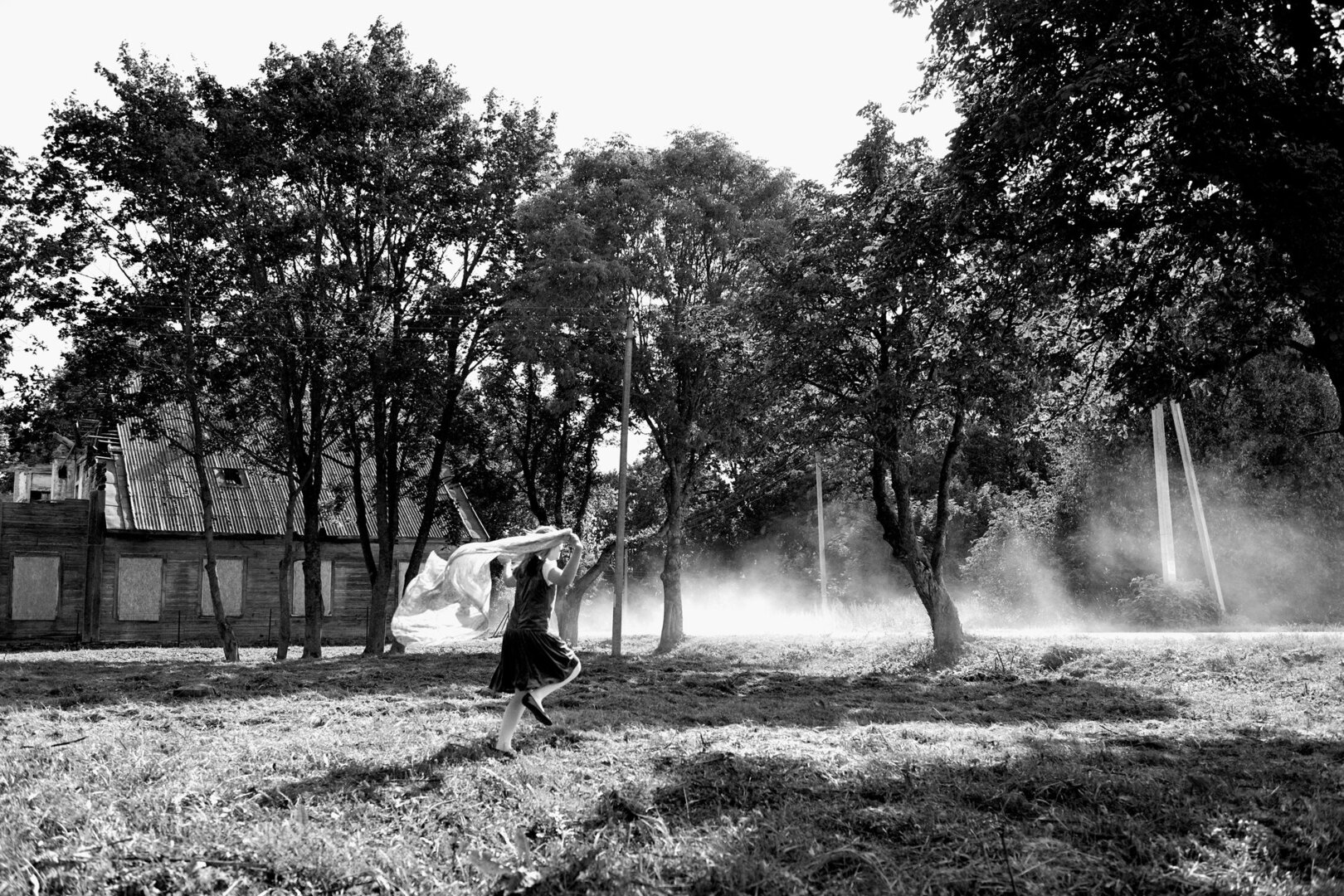
In Marija Šileikaitė-Čičirkienė’s photography, visible reality becomes not merely an object of documentary recording, but a space of personal experience, memory, and interpretation. Photographing people, small towns, everyday objects, and fragments of the environment, the artist seeks to reveal what often remains unnoticed in ordinary life.

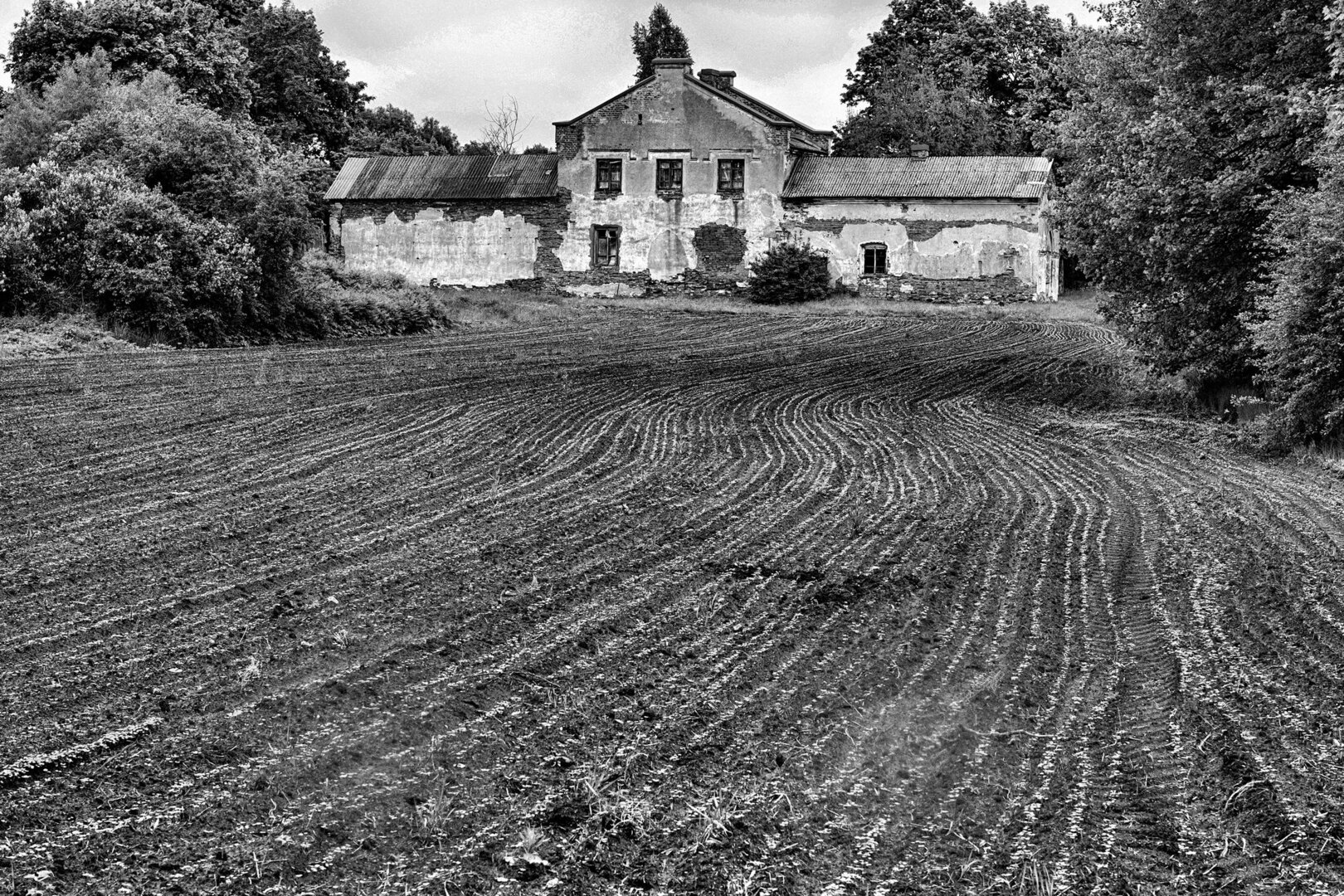
Her creative gaze is characterized by an ability to discover uniqueness in simple situations. An apparently insignificant object, a quiet town courtyard, an abandoned building, or a human face in a photograph can become a meaningful narrative about time, experience, and human presence in the world.

An intuitive relationship with the photographed environment is central to her work. In conversations with art critic Remigijus Venckus, she has shared that photographic themes usually arise naturally from everyday life and observation. A creative premise does not necessarily originate in a pre-formulated concept – it can be sparked by unexpected light, a human gesture, the mood of a space, or an accidentally noticed relationship between objects.

Precisely this experience of photographing allows her oeuvre to be understood as a sensitive yet consistent investigation of the world. The artist not only records images of the environment, but also reimagines their meaning, endowing fragments of everyday life with new aesthetic and emotional content.

(03 / 09)

“Marija’s Code”: Photography, Identity and Personal Experience

One of the early sources interpreting Marija Šileikaitė-Čičirkienė’s work is Remigijus Venckus’s 2008 art criticism essay “Marija’s Code”, dedicated to the photography exhibition lt.juodaibaltai.marija.

In this text, photography is examined as a distinctive expression of the author’s identity. The black-and-white image is understood not merely as a technical or aesthetic choice, but as a way to dispense with excess visual information, focusing attention on the form of the object, the human state, and the meaning of the photographic image itself.

In R. Venckus’s interpretation, the artist’s work is linked to questions of personal and cultural identity. Photographed people, their surroundings, and everyday objects acquire broader meaning as signs of memory, life experience, and connection with loved ones.

Particularly significant examples of this creative direction are the photographs Mother with Snails (2001) and Self-Irony (2008). In these works, personal imagery transcends the boundaries of documenting private life and prompts reflection on themes of human identity, transience, corporeality, and memory.

From this perspective, photography becomes not only a way to preserve a past reality, but also an opportunity to look anew at oneself. The image seems to unlock the author’s personal code, yet its meaning is never final – it is continually enriched by the viewer’s experience and interpretation.

(04 / 09)

Dialogue of Photography and Painting: “Canvas for Two”

In Marija Šileikaitė-Čičirkienė’s practice, alongside documentary principles, experiments that open up new possibilities for the photographic image play a vital role.

This direction is represented by the joint project Canvas for Two, created by the artist and her son, digital graphics creator Mantas Misevičius-Sim, which Remigijus Venckus analyzed in detail in his 2018 publication “Dialogue of Photography and Painting”.

Earlier photographs by Marija printed on canvas formed the foundation of the project. Mantas Misevičius-Sim augmented them with painterly elements that transformed the structure of the photographic image and highlighted new chromatic, geometric, and compositional relationships.

In this way, the documentary image acquired a different artistic existence. Photography retained its link to the real world, while painterly interventions altered its visual structure and expanded the possibilities of interpretation.

This project is significant not merely as a combination of different media. It reveals an encounter between two generations and two individual creative experiences. The interaction of photography and painting becomes a distinctive artistic dialogue in which one author’s work is not simply supplemented by another’s gesture – both creative positions form a new artistic whole.

Canvas for Two also invites reflection on a broader question regarding the nature of artistic authorship: where does one creator’s intention end and another’s interpretation begin? Does a photograph that becomes the basis for painting retain its initial identity, or does it transform into a new object of interdisciplinary art?

(05 / 09)

“Our Lives”: Photography as Testimony of Memory

Created in 2021, the photographic series Our Lives reveals another important direction in Marija Šileikaitė-Čičirkienė’s work – an inquiry into the transience of human life, memory, and individual experience.

The cycle presents human portraits and everyday situations in which not only the external features of the photographed subjects matter, but also their relationship with their surroundings, objects, loved ones, and the past.

In his 2021 article published in Šiaurės Atėnai, “Our lives are about us, whom nobody else will remember”, Remigijus Venckus interprets this series through questions of memory, time, and the phenomenology of the gaze.

The gazes of the photographed individuals acquire special significance. A person looking into the camera lens later seems to meet another viewer within the photograph. Thus a paradoxical relationship is created: the photographed subject belongs to a time already past, yet their gaze continues to act in the present.

Everyday objects also play an important role in this series, becoming signs of individual and collective memory. Bundles, string bags, garments, and other objects from human surroundings take on symbolic meaning in the photographs, recalling past ways of life, the experiences of loved ones, and the irreversible flow of time.

The photographs Woman with a Swan’s Feather (2021), Boy in Father’s Coat (2021), Madonna with Bundles (2019), and the triptych Women with String Bags (2018) reveal different aspects of this artistic inquiry.

The cycle Our Lives allows photography to be understood as a distinctive testimony to human existence. It preserves a moment, while simultaneously reminding us that life itself cannot be arrested. The image remaining in the photograph becomes a bridge between present and past, individual memory and shared human experience.

(06 / 09)

“Ode to Lithuanian Towns”: Place, Time and Cultural Memory

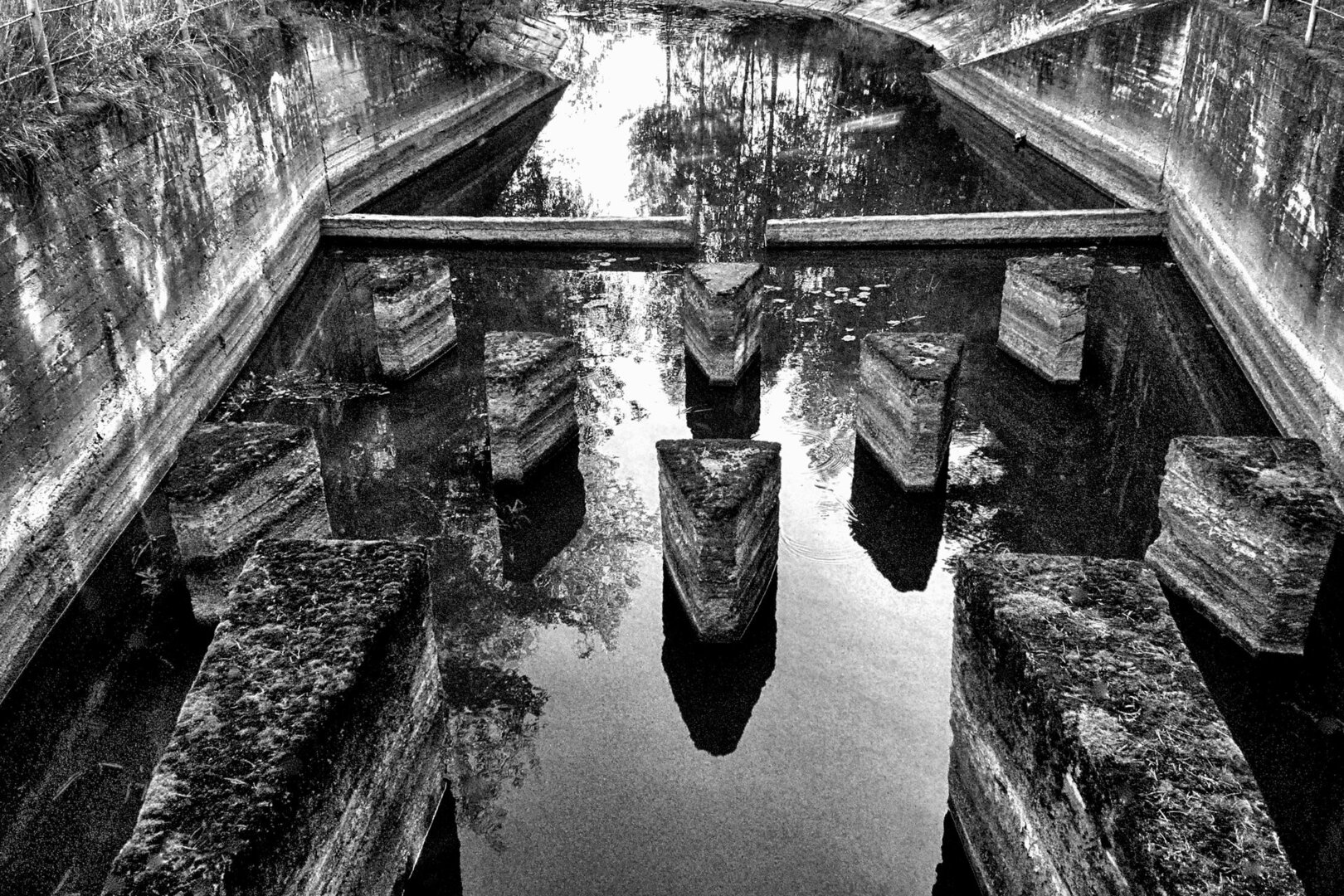
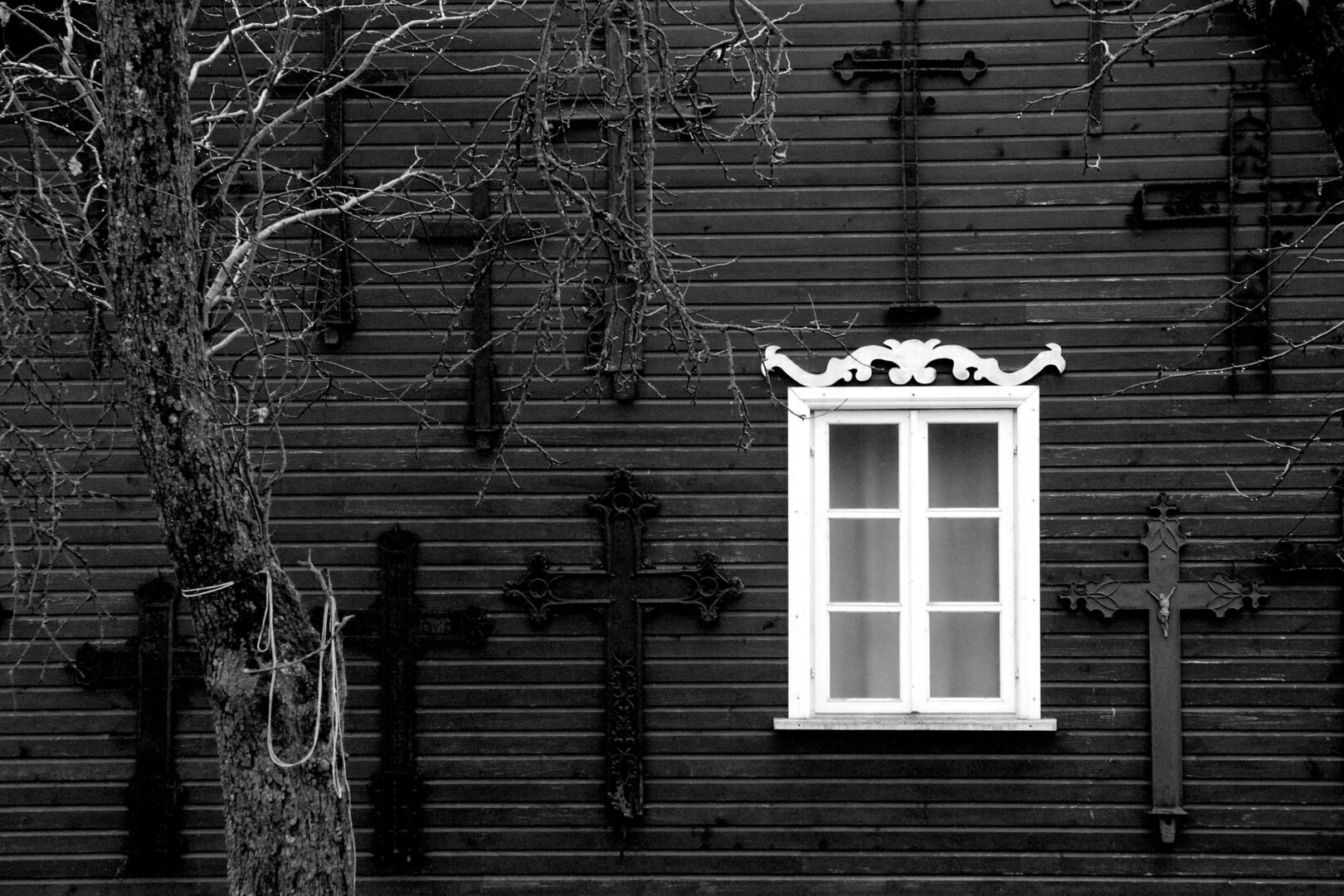
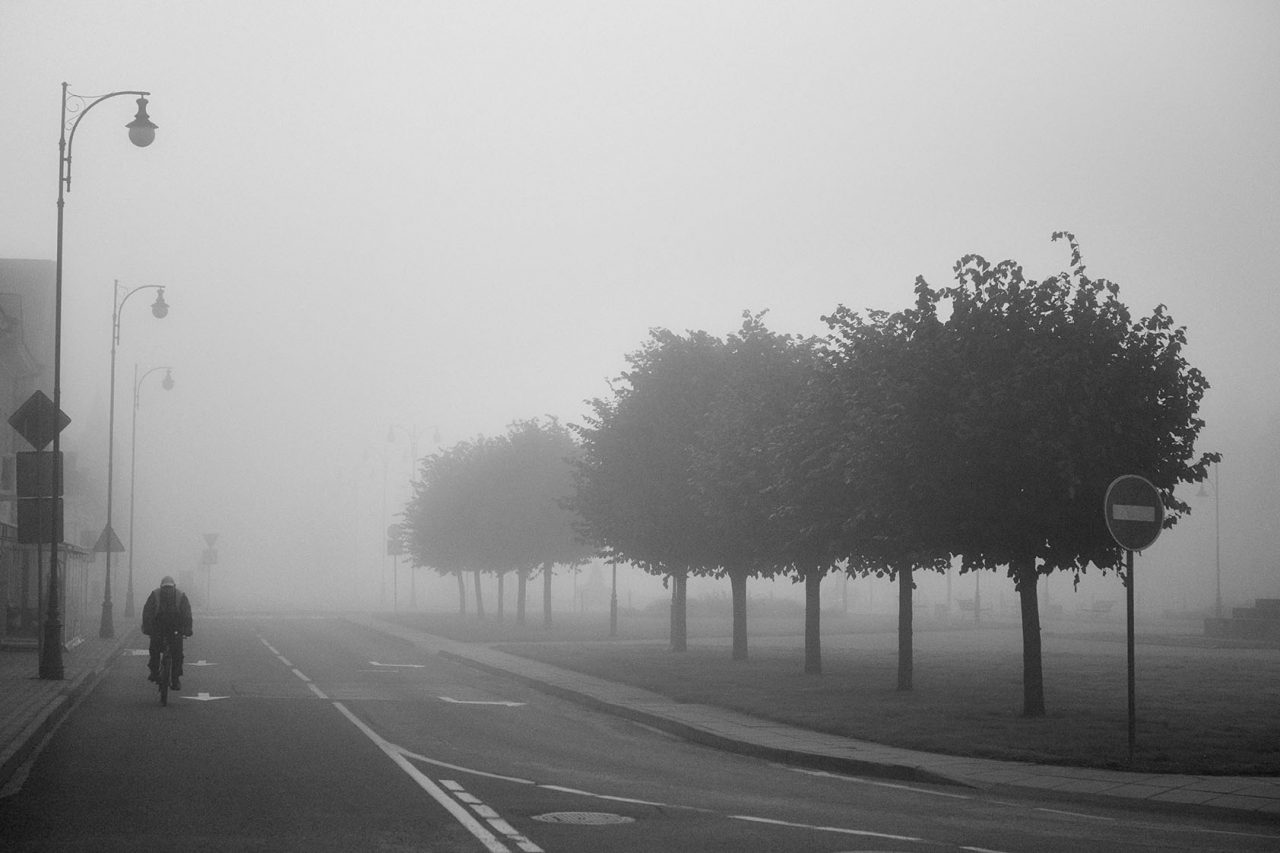
The photographic cycle Ode to Lithuanian Towns is one of Marija Šileikaitė-Čičirkienė’s most significant long-term creative projects, consistently exploring life in Lithuania’s small towns, the distinctiveness of their surroundings, and signs of cultural memory.

The artist returned to this theme over many years. Traveling across different regions of Lithuania, she photographed town architecture, streets, courtyards, landscapes, everyday objects, and traces of human life.

In a 2021 interview prepared by Remigijus Venckus and published on the Voruta portal, the artist reveals that photographing small towns is for her not merely a documentary activity, but also a personal return to childhood experiences. Until the age of twelve she grew up in Pumpėnai, Pasvalys district, so the environments of various Lithuanian towns remind her of early impressions and an intimate connection with place.

Slow, attentive observation is essential in the photographs of this cycle. The artist does not look solely for exceptional architectural monuments or representative views. She is equally drawn to what often remains on the margins of official narratives of cities and towns: an old house, an abandoned homestead, an unusual environment created by a resident, a surviving sign of a way of life, or an everyday detail.

Towns emerge here as living cultural organisms in which past and present, human activity and nature, preservation and decay intertwine.

This body of work also acquires broader cultural significance. The photographs become a distinctive archive of regional memory, recording not only specific localities, but also the atmosphere of their life, the character of communities, and the traces left by time.

At the same time, it is the author’s personal story about Lithuania, where every place holds an individual character and a unique emotional resonance.

(07 / 09)

“Imaginary City”: From Document to Visual Poetry

In the artist’s recent work, an important place is held by the photographic series Imaginary City, whose works were presented in 2024, followed by a photography book of the same title published in 2026.

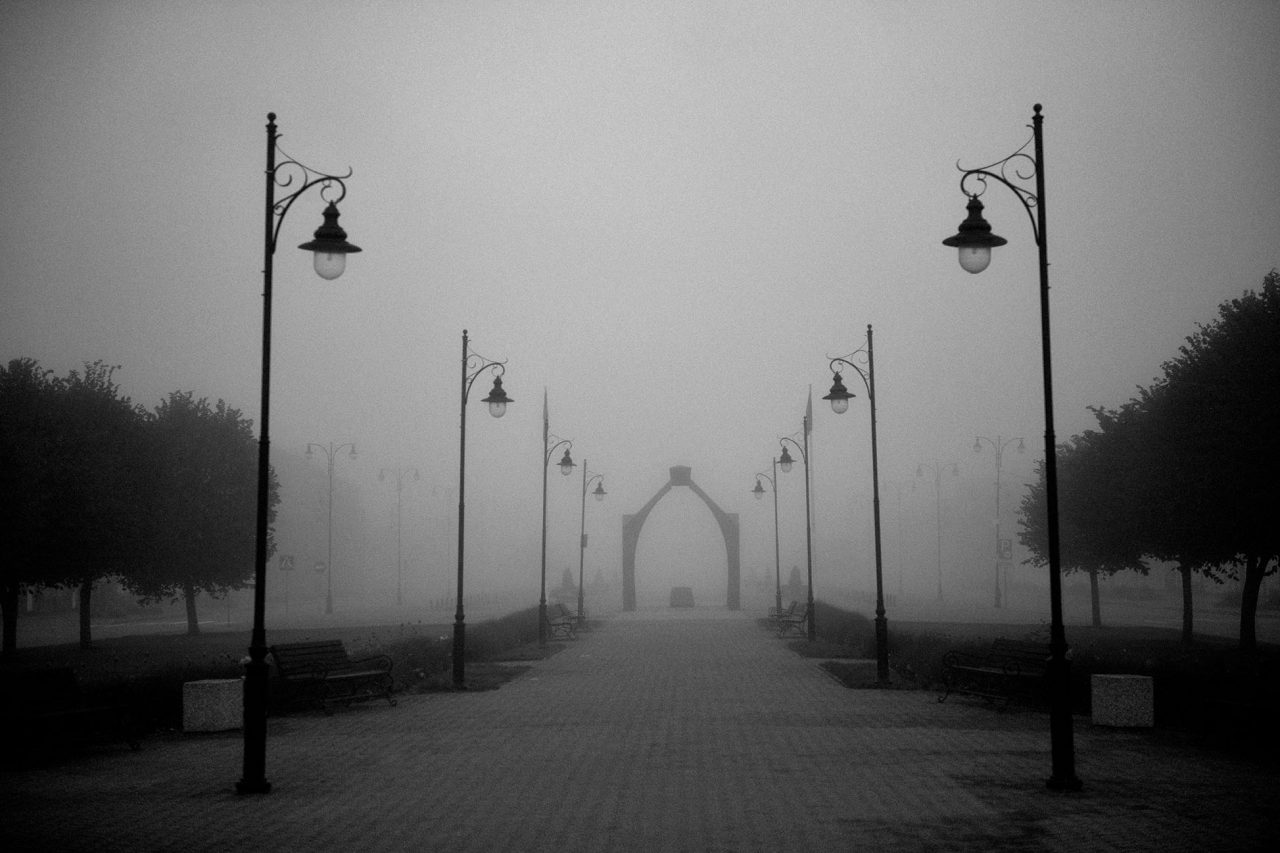
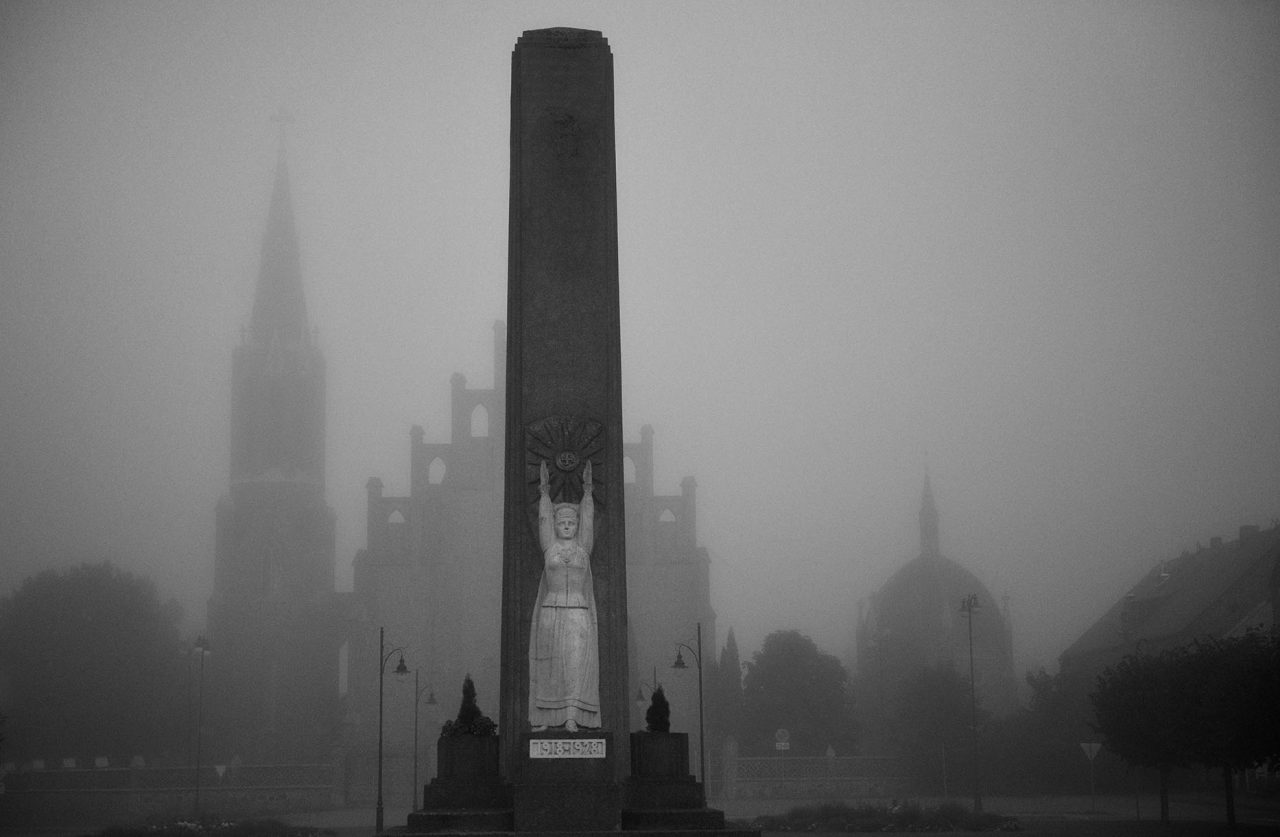
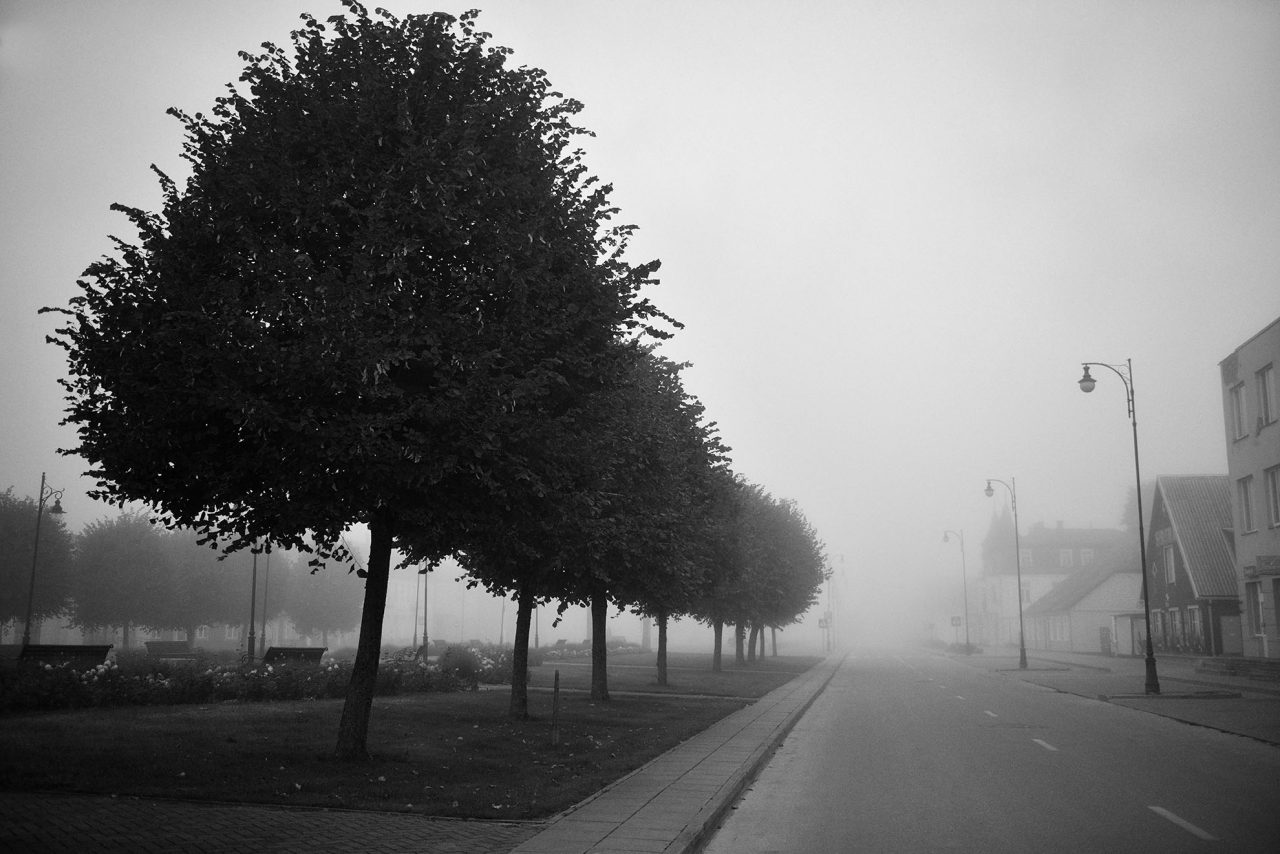
In this project, the artist turns toward Panevėžys – the city closely tied to her life and professional career. Yet urban photography here is not limited to documenting recognizable architectural landmarks or urban spaces.

Familiar places are transformed through unexpected angles, chromatic choices, and a distinctive atmosphere. Fragments of the city acquire new emotional content, and real objects become part of a broader visual narrative that belongs to more than just a single locality.

Documentary imagery and subjective imagination meet within these works. The city in the photograph retains its bond with reality, yet is no longer merely an exact depiction of a geographical environment. It can be experienced as a space of memories, emotions, premonitions, and individual associations.

This creative direction demonstrates that in the artist’s photography, document and interpretation are not opposites. On the contrary – photography can simultaneously bear witness to the real world and open up possibilities for its subjective experience.

The 2026 exhibition Imaginary City and the accompanying photography book mark a significant stage in the artist’s career, uniting decades of documentary photography experience with a more expressive visual language.

(08 / 09)

Photography as Cultural Activity and Creative Dialogue

Marija Šileikaitė-Čičirkienė’s contribution to Lithuanian photography extends beyond individual artistic creation. Her long-term leadership at the Panevėžys Photography Gallery, exhibition organizing, collaboration with fellow artists, and participation in international projects have fostered the broader development of photographic culture.

An important example of this engagement is her participation in the 2021 international photography art residency “FOCUS” in Rokiškis. During the residency, Marija Šileikaitė-Čičirkienė presented her series Ode to Lithuanian Towns, while Prof. Dr Remigijus Venckus served as residency expert.

This collaboration reflects a long-term creative and intellectual bond between the artist and the art critic. Over various periods, R. Venckus has analyzed her photographs, conducted interviews, and examined the relationship of photography with painting, memory, identity, and human experience.

Consequently, the conversation in the project “2K – On Creativity and Making Art” continues not just a single encounter with the artist, but a professional dialogue developed over more than a decade on the nature of photography, possibilities of artistic expression, and the meaning of creation.

(09 / 09)

Conversation “Photography”

13 December 2026, 12:00

Held as part of the International Contemporary Art Triennial “Dialogues” programme, the encounter with Marija Šileikaitė-Čičirkienė will examine photographic creation and its relationship with reality, memory, individual experience, and processes of contemporary visual culture.

The discussion will consider how an everyday fragment becomes a work of art, what role intuition and consistent observation of the environment play for a photographer, how a photographic theme is chosen, and when a documentary image acquires autonomous artistic meaning.

Special attention will be devoted to human portraiture, photography of small towns and urban environments, and the depiction of individual and collective memory. The conversation will also address dialogues between photography and painting, the impact of analog and digital technologies on photographic expression, and the significance of long-term creative experience for an artist’s worldview.

The encounter will be moderated by art critic, media artist, and VILNIUS TECH Professor of Arts Dr Remigijus Venckus, who has repeatedly analyzed M. Šileikaitė-Čičirkienė’s work and conducted interviews with the artist.

The conversation invites audiences to look at photography not merely as a technology for recording reality, but as a distinctive language of human memory, exploration of the world, and creative interpretation.

(Television & Conversations · Video Programme)

Video Recording

(01 recording)
Video Programme · “Kultūros erdvės” 2016

“Kultūros erdvės. Romulė Paleliūnienė. Marija Šileikaitė-Čičirkienė” (Cultural Spaces)

Programme: “Kultūros erdvės” (Cultural Spaces)
Published by: Gerų Naujienų TV

An episode of the cultural programme “Kultūros erdvės” featuring conversations about creative practice, artistic work, and cultural life with painter Romulė Paleliūnienė and photo artist Marija Šileikaitė-Čičirkienė, longtime director of the Panevėžys City Photography Gallery.

Featured guests: Marija Šileikaitė-Čičirkienė, Romulė Paleliūnienė
Channel: Gerų Naujienų TV
Published: 1 February 2016
Format: Video programme · YouTube recording (in Lithuanian)
(Sources & Criticism · APA Style)

Essays and Media Archive

Full register →